



Urban Shihemi , November 27, 2026
Kenyans have been urged to remain vigilant and exercise caution as the forecast El Niño period is not yet over, with the Government warning that flooding risks remain in some parts of the country despite a general reduction in rainfall intensity.
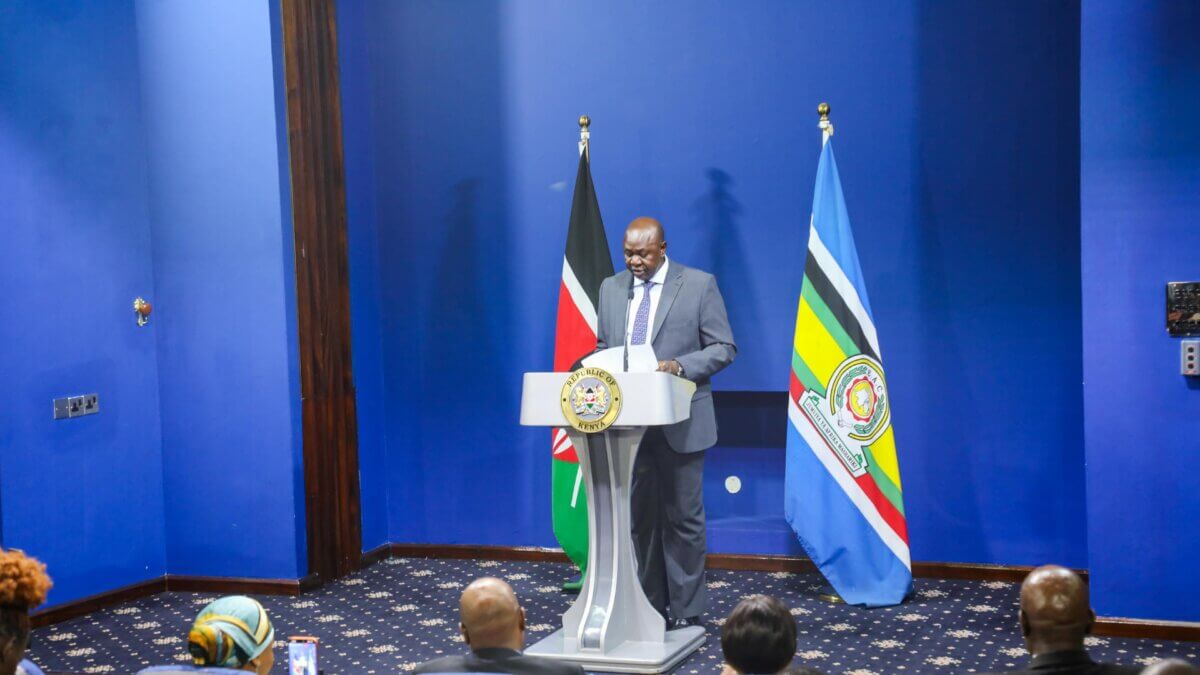
Government Spokesperson Charles Owino said rainfall across the country has remained generally average and less intense compared to previous periods. However, he cautioned that the prevailing weather conditions should not lead to complacency, as heavy rainfall upstream has continued to cause flooding in some areas.
Owino reported that flooding has been recorded in parts of Western Kenya, Tana River and Garissa counties, raising concerns over the safety of residents, particularly those living near rivers and other flood-prone areas.
He said the Government would continue issuing weather alerts and advisories to keep the public informed and enable communities to take precautionary measures.
As part of its preparedness strategy, the Government has outlined several interventions aimed at reducing the impact of the expected heavy rains and protecting lives, property and critical infrastructure.
These include clearing and desilting drainage systems, culverts and water channels to improve the flow of rainwater and reduce the risk of urban flooding. Agencies, including the Kenya Urban Roads Authority (KURA), have been involved in identifying and clearing blocked drainage sections.
The Government has also undertaken mapping of flood-prone areas to identify communities at risk and guide emergency response planning. County governments have been tasked with identifying safer grounds and preparing evacuation arrangements for people living in riparian areas and other vulnerable locations.
Other interventions include strengthening early-warning systems, reinforcing vulnerable roads and bridges, positioning emergency supplies and coordinating response efforts with humanitarian organisations and development partners.
The renewed warning comes against the backdrop of devastating floods experienced in Kenya during the March-May 2024 long rains, when heavy rainfall caused widespread destruction across several counties.
According to the Kenya Meteorological Department’s State of the Climate Report 2024, the floods affected more than 100,000 households, displaced tens of thousands of people and caused damage to roads, bridges, schools, health facilities, businesses and agricultural land.
In parts of northern and north-eastern Kenya, including Garissa and Tana River, overflowing rivers submerged homes and farmland, disrupted transport and resulted in livestock losses. Urban settlements, particularly in Nairobi, also experienced severe flooding, with residents in informal settlements forced to seek temporary shelter.
The experience exposed the vulnerability of communities living along riverbanks, in low-lying settlements and in areas with inadequate drainage infrastructure. It also highlighted the need for sustained investment in flood-control measures, proper waste disposal and improved urban planning.
Owino urged Kenyans to remain alert, monitor changing weather conditions and follow safety advisories issued by relevant authorities.
Residents in flood-prone areas have been advised to avoid crossing swollen rivers, keep away from flooded roads and waterways, and move to safer locations whenever necessary.
The public has also been encouraged to keep drainage channels around their homes clear and avoid dumping garbage in waterways, which can block drainage systems and worsen flooding.
The Government maintains that although rainfall has generally become less intense, the threat has not passed. Authorities are therefore urging communities to remain prepared as weather conditions continue to be monitored.
Kenyans Urged to Remain Vigilant as El Niño Threat Persists Despite Reduced Rainfall
