


By Horizon Reporter, December 21,2025.
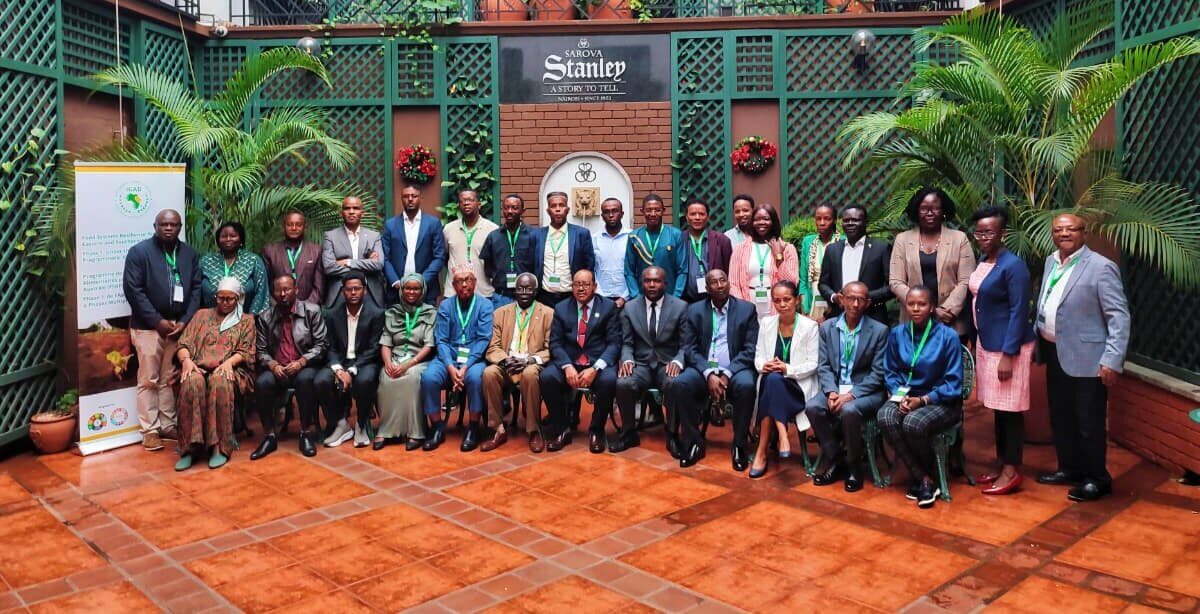
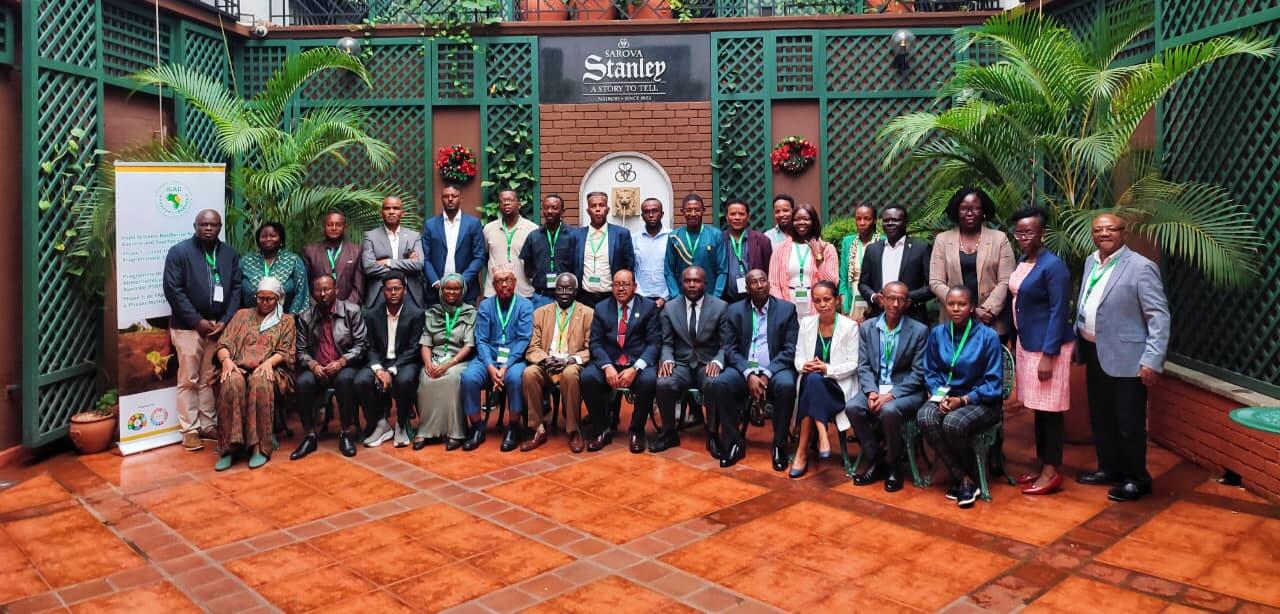
Representatives from Member States of the Intergovernmental Authority on Development (IGAD) are meeting in Nairobi for a two-day session to finalize the Regional Agrifood Systems Investment Plan (RASIP) 2026–2035, a key policy and investment framework aimed at transforming food systems across the Horn of Africa.
The new plan will succeed the Regional Agricultural Investment Plan (RAIP 2016–2020) and will serve as the regional framework guiding policies, investments, and partnerships to strengthen the resilience, inclusiveness, and sustainability of agrifood systems in IGAD Member States.
Speaking during the opening session, Dr. Mohy Tahomi, Director of IGAD’s Economic Cooperation and Regional Integration, called for both immediate and long-term action to confront the food security challenges facing the continent.
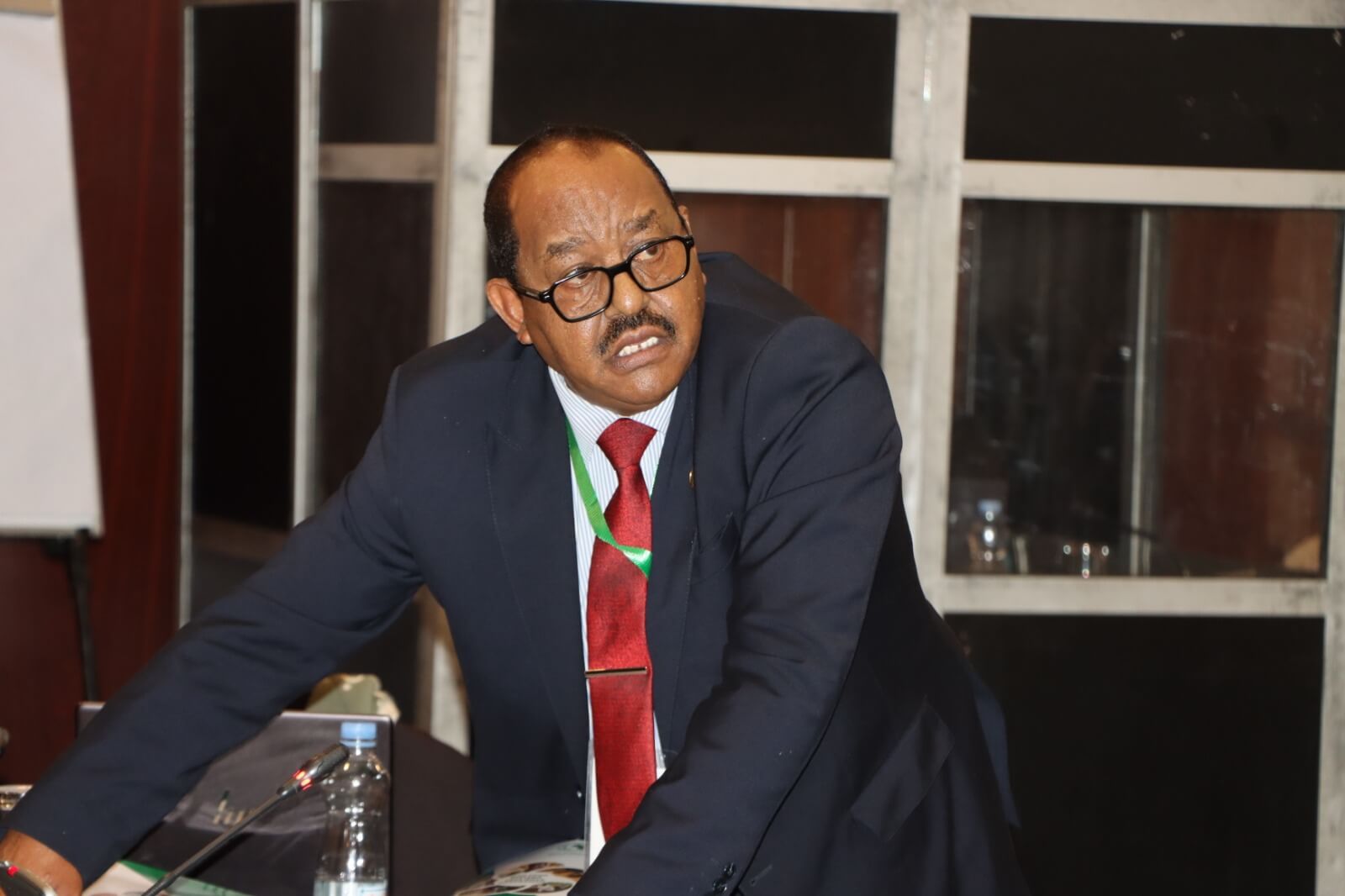
Dr Mohy Tahomi, Director of IGAD Economic Cooperation and Regional Integration in Nairobi December 21,2025.
“The region requires quick interventions to respond to recurring shocks, alongside long-term strategies that address the root causes of food insecurity,” Dr. Tahomi said, noting that coordinated regional approaches are critical to safeguarding livelihoods and stabilizing food systems.
The meeting comes at a time when the Horn of Africa continues to face mounting pressures from recurrent droughts and floods, desert locust infestations, pandemics, and market disruptions, often compounded by conflict and displacement. These shocks have significantly eroded livelihoods, weakened food security, and slowed progress toward poverty reduction and economic transformation.
At the same time, rapid population growth and urbanization are increasing demand for nutritious and affordable food, further exposing long-standing structural weaknesses within the region’s agrifood systems.
These include low productivity, limited access to modern inputs and technology, weak value chains and regional trade linkages, underdeveloped processing and storage infrastructure, and constrained access to finance for farmers, pastoralists, and small and medium-sized enterprises.
Dr. Sylvia Henga, IGAD’s Policy and Food Security Expert under the Food Systems Resilience Programme (FSRP), emphasized that addressing these challenges requires a broader, multi-sectoral approach.
“Agriculture alone cannot solve the economic pressures facing our countries,” Dr. Henga said. “There is a need for stronger collaboration with other sectors and stakeholders to address issues such as finance, trade, infrastructure, climate adaptation, and technology if we are to build resilient food systems.”
Kenya, which is hosting the meeting, underscored the importance of being actively involved in shaping the regional plan. Dr. Hesbon Otinga, Director of Planning at the Ministry of Agriculture and Livestock Development, representing the Kenyan government, said Kenya’s participation was critical given the climate-related challenges affecting food production.
“It is crucial for Kenya to be part of this process, as we continue to face significant climate-related challenges that directly affect food production and livelihoods,” Dr. Otinga said. “A strong regional framework will help countries like Kenya align national efforts with regional solutions.”
The Nairobi meeting is expected to consolidate Member State inputs and agree on the final shape of the RASIP ahead of its endorsement by Ministers responsible for agriculture and food systems. Once adopted, the plan is anticipated to provide a unified regional roadmap for mobilizing investments, strengthening cooperation, and supporting more resilient and sustainable agrifood systems across the Horn of Africa.
